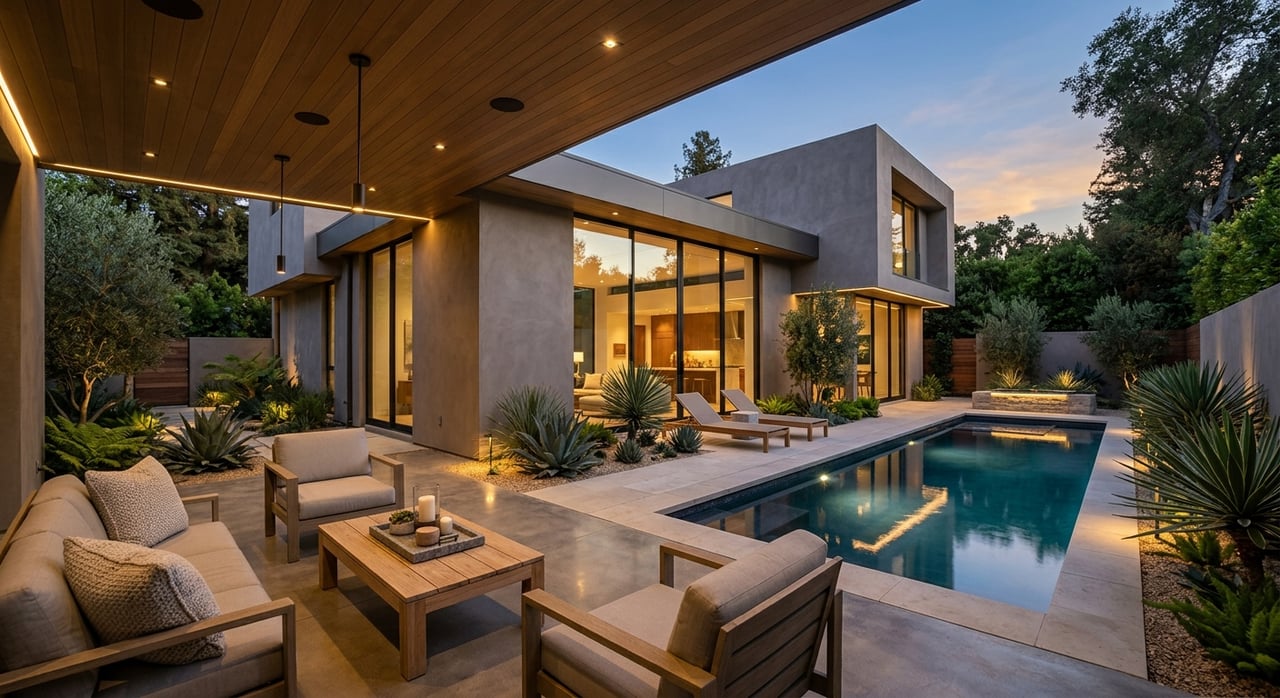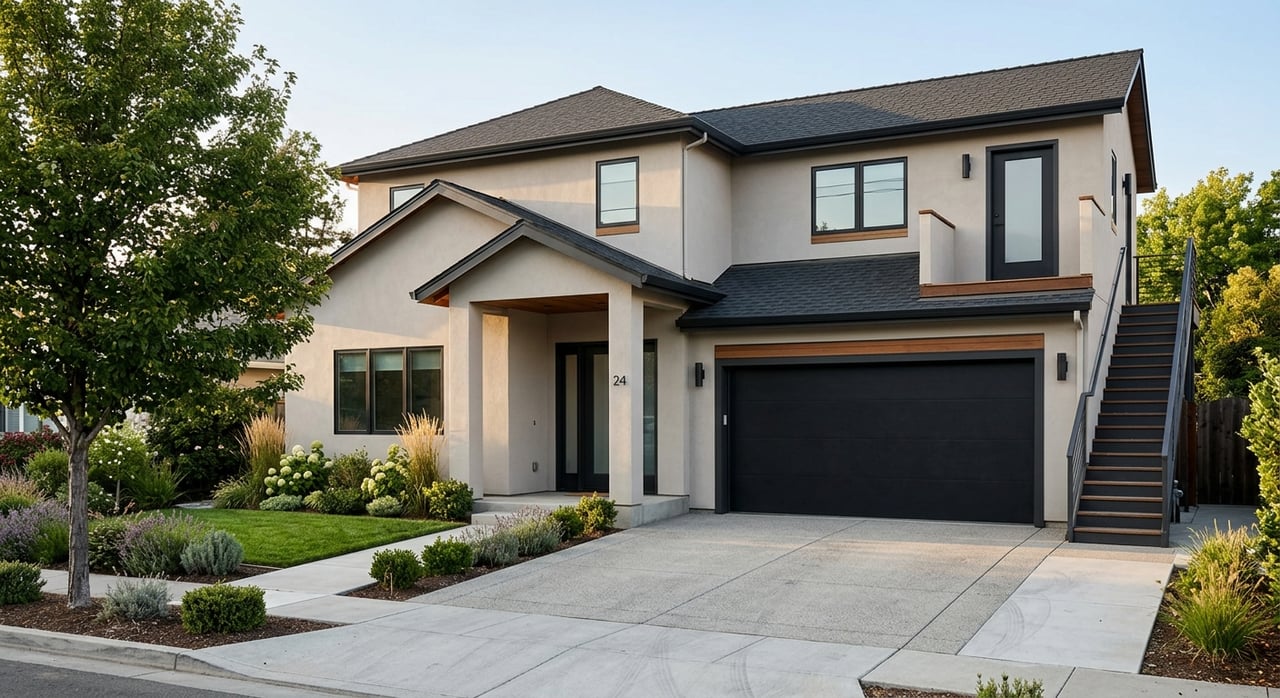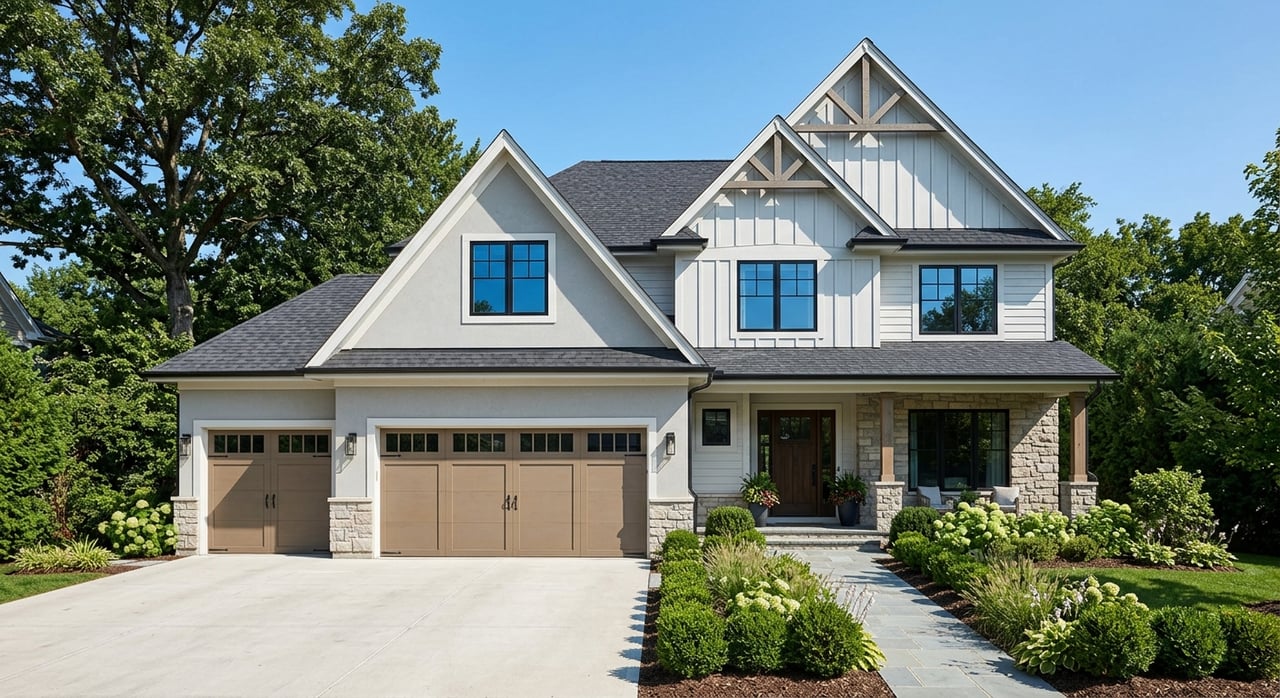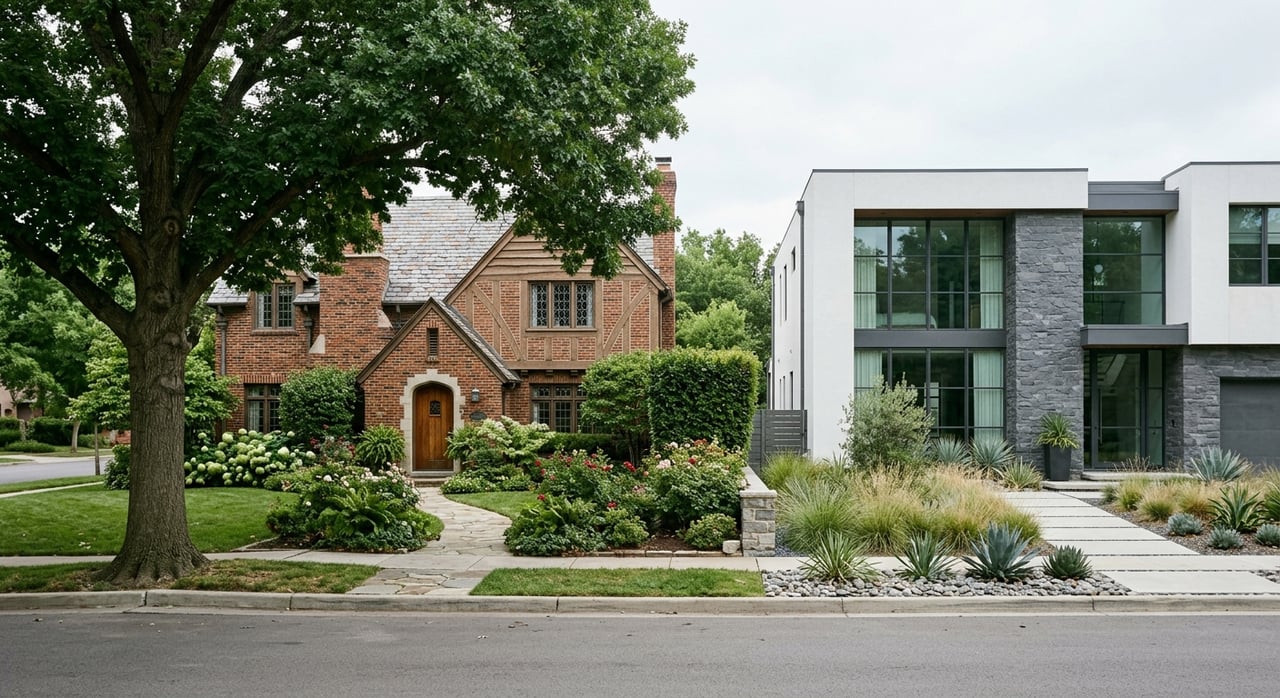
Are you trying to decide whether Folsom’s older neighborhoods or its newer communities fit you better? It is a smart question, because in Folsom, the feel of a neighborhood can change a lot from one area to the next. If you understand how established pockets compare with newer ones, you can narrow your search faster and focus on the features that matter most to your lifestyle and budget. Let’s dive in.
How Folsom’s Neighborhoods Differ
Folsom’s neighborhood map has a clear pattern. The Historic District serves as the city’s preservation core, many other older neighborhoods were built through master plans or planned developments, and the Folsom Plan Area is the city’s newest community.
That matters because each type of neighborhood was shaped by a different planning approach. Established areas often reflect the design standards and lot patterns of the time they were built, while newer areas were planned with a more coordinated long-term vision.
What Established Neighborhoods Offer
Established neighborhoods in Folsom usually appeal to buyers who want a more settled feel. You may notice more lot-size variation, less uniform streetscapes, and easier access to long-standing retail and transit areas.
In earlier master-planned pockets, city assessment materials show average single-family lot sizes of about 0.20 acres in places like Broadstone No. 4 and Prairie Oaks Ranch No. 2. That does not mean every home follows the same pattern, but it does suggest that older pockets can offer a little more variation from block to block.
Historic District Character
The Historic District is the clearest example of an established Folsom neighborhood with a distinct identity. The city applies zoning and design standards there to help preserve architecturally significant resources, and exterior changes may require review.
You will also see guidance around details like paint colors, roof materials, and fence materials so changes stay compatible with the area’s historic character. For some buyers, that added oversight is a plus because it helps protect the look of the neighborhood. For others, it may feel more restrictive than a newer community.
Established Access and Convenience
Many established neighborhoods benefit from being closer to Folsom’s long-standing retail and transit patterns. The city points to the Historic District, Palladio at Broadstone, and Folsom Premium Outlets as major shopping areas, and the Historic Folsom and Glenn Drive light-rail stations include bike lockers.
If you want a neighborhood that feels more built out today, an established area may be a strong fit. You are often choosing a place where the surrounding streets, shopping patterns, and transportation connections are already familiar and functioning.
What Newer Neighborhoods Offer
If your priority is newer construction and a more coordinated community plan, the Folsom Plan Area stands out. The city describes it as a 3,520-acre newest community, with first homes occupied in 2019 and several neighborhoods already taking shape.
Current communities in the plan area include Broadstone Estates, Enclave at Folsom Ranch, Folsom Heights, Mangini Ranch, Russell Ranch, and White Rock Springs Ranch. The first commercial center, a fire station south of Highway 50, and a neighborhood park are already in place, while additional sections are still under construction.
A Ground-Up Planning Approach
Newer neighborhoods in the Folsom Plan Area were designed from the ground up. That often creates a more unified look and a stronger sense of long-range planning across roads, parks, trails, and future commercial areas.
Design standards in newer sections emphasize a varied street scene, front elevations that are not dominated by garages, and architectural features like roof forms and massing that define style. In simple terms, the area was planned to feel intentional from day one, even as more pieces continue to come online.
Lot Sizes in Newer Communities
Lot sizes can vary significantly even within newer neighborhoods. For example, project materials show a 6,000-square-foot minimum lot size in White Rock Springs Ranch, while Mangini Ranch Phase 1C South uses 3,000-square-foot minimum lots.
That range is important if outdoor space is high on your list. A newer neighborhood does not automatically mean larger or smaller lots, so it helps to compare individual communities instead of assuming the whole plan area feels the same.
Parks, Trails, and Outdoor Access
Folsom is highly trail-oriented, and that shapes the appeal of both older and newer neighborhoods. The city says Folsom has more than 50 miles of Class I bike and pedestrian trails, including the 2.5-mile Johnny Cash Trail.
For buyers who value outdoor access, that is a major quality-of-life advantage. Depending on the neighborhood, you may be tapping into a long-established citywide trail network or a newer trail system that is still being expanded.
Established Areas and Existing Networks
Established neighborhoods often benefit from mature access to the city’s existing parks, trails, and activity centers. If you want to plug into Folsom’s current trail system right away, older pockets can offer a more immediate sense of connection.
This can be especially appealing if you want a neighborhood where the surrounding amenities already feel complete. In practical terms, you may have fewer unknowns about how the area functions day to day.
Newer Areas and Planned Open Space
In the Folsom Plan Area, outdoor amenities are a core part of the community design. The plan includes more than 1,000 acres of open space, 138 acres of public parks, and over 30 miles of planned trails.
The trade-off is timing. Those amenities are being delivered as residential development continues, so you may be buying into a neighborhood with strong long-term plans while some features are still rolling out.
Retail, Transit, and Daily Routines
The best neighborhood for you often comes down to how you want your daily routine to work. Do you want an area tied into Folsom’s established destinations, or do you prefer a newer community built around future convenience closer to home?
In established parts of Folsom, the Historic District is described by the city as a premier shopping, dining, and nightlife destination. Older pockets may also offer easier familiarity with existing light-rail stations and long-standing retail corridors.
In the Folsom Plan Area, the first commercial center has already opened at The Shops at Folsom Ranch. The broader town-center concept is intended to combine civic uses, a branch library, an aquatic center, housing, shopping, and dining in a walkable core.
That distinction is useful. Established neighborhoods may offer more of a finished environment today, while newer neighborhoods may appeal if you like the idea of daily needs being integrated into a growing master-planned setting.
Maintenance and Carrying Costs
One detail buyers sometimes overlook is how neighborhood upkeep is handled. Maintenance structures can vary by subdivision, and that can affect both monthly costs and the level of shared-area maintenance.
For example, in Natoma Station, a 2026 assessment was approved to fund landscaping, lighting, irrigation, small parks, and other community assets. In other neighborhoods, upkeep may rely more directly on city services or another neighborhood-level structure.
This is one area where it pays to verify the details before you buy. If you are comparing established and newer neighborhoods in Folsom, ask how common areas are maintained and what costs come with that setup.
Which Type of Folsom Neighborhood Fits You?
If you are deciding between established and newer neighborhoods, it helps to focus on the type of experience you want rather than just the age of the home.
You may lean toward an established neighborhood if you value:
- Historic character or a more lived-in feel
- More visible lot variation
- Existing retail and transit access
- A neighborhood that feels more complete today
You may lean toward a newer neighborhood if you value:
- Newer construction
- Coordinated architectural standards
- Built-in trail and park planning
- A community designed around future growth and amenities
You may be especially drawn to the town-center side of the Folsom Plan Area if you want the strongest version of a future live-work-play environment. The city’s planning framework supports complete neighborhoods that integrate parks, shopping, and employment, and that vision is a big part of the area’s appeal.
A Smart Way to Compare in Person
Online research can help, but this is one of those decisions that becomes much clearer when you compare neighborhoods in person. A block in the Historic District, an older master-planned pocket, and a newer Folsom Ranch community can each create a very different first impression.
As you tour, pay attention to lot patterns, street layout, parking, trail access, nearby shopping, and how built out the area feels today. Those practical details often tell you more than the listing photos do.
If you want help weighing lifestyle, resale potential, and the real cost of ownership across different Folsom neighborhoods, working with a local team can make the process much easier. For personalized guidance, neighborhood insight, and a high-touch buying experience, connect with The Eklund Real Estate Group.
FAQs
What is the main difference between established and newer neighborhoods in Folsom?
- Established neighborhoods usually offer a more settled feel, more variation in lot and streetscape patterns, and easier access to long-standing retail and transit areas, while newer neighborhoods in the Folsom Plan Area offer newer construction, coordinated planning, and amenities that are being added as the area builds out.
What should buyers know about the Historic District in Folsom?
- The Historic District has preservation-focused zoning and design standards, and some exterior changes may require review to maintain compatibility with the area’s architectural character.
What makes the Folsom Plan Area different from older Folsom neighborhoods?
- The Folsom Plan Area is the city’s newest community, planned from the ground up with newer homes, future commercial areas, parks, open space, and over 30 miles of planned trails.
Are lot sizes larger in established neighborhoods or newer neighborhoods in Folsom?
- It depends on the specific neighborhood, because older pockets can show more variation and newer communities also vary, with examples ranging from 3,000-square-foot minimum lots in Mangini Ranch Phase 1C South to 6,000-square-foot minimum lots in White Rock Springs Ranch.
How do trails and parks compare across Folsom neighborhoods?
- Folsom has more than 50 miles of Class I bike and pedestrian trails citywide, while the newer Folsom Plan Area adds more than 30 miles of planned trails plus significant open space and public park acreage as development continues.
What costs should buyers verify when comparing Folsom neighborhoods?
- Buyers should confirm how a specific neighborhood handles maintenance, landscaping, lighting, parks, and other shared amenities, because the structure and carrying costs can vary from one subdivision to another.