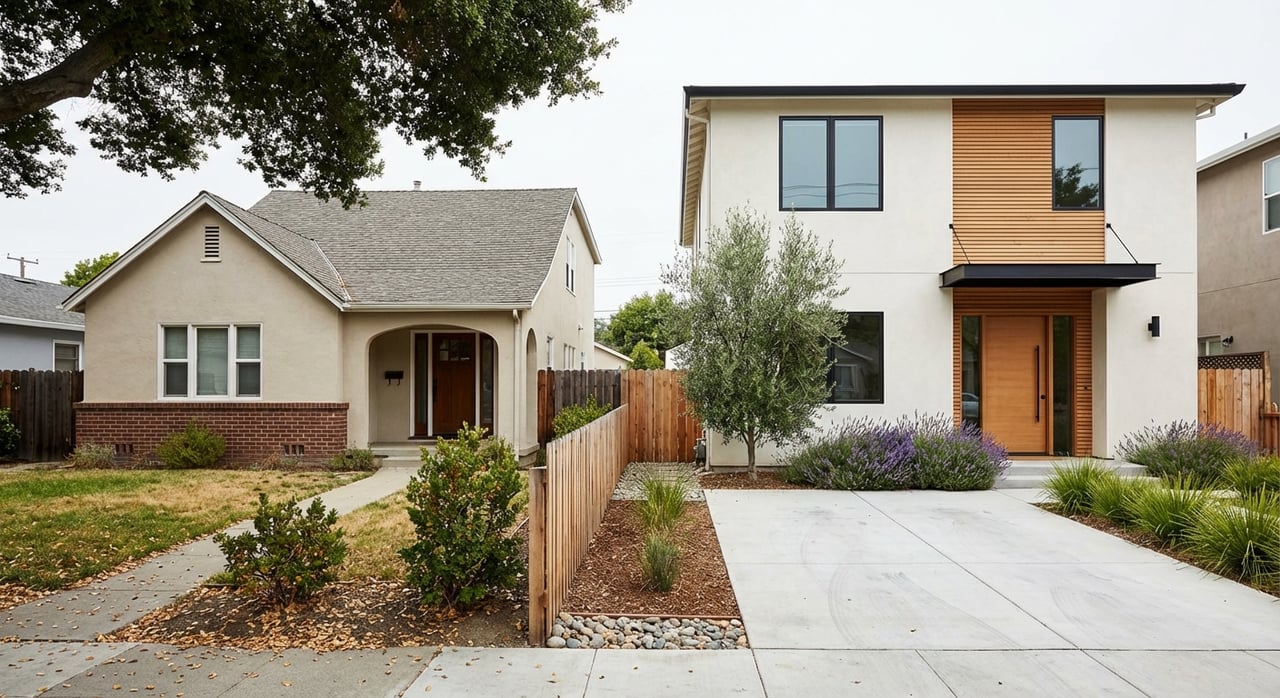
Torn between a shiny new build and a charming resale in Roseville? You are not alone. The right choice can shape your budget, timeline, and long-term maintenance. In this guide, you will learn how new construction and resale homes compare on cost, timing, features, and risk in Roseville, plus the questions to ask before you sign anything. Let’s dive in.
Roseville market snapshot
As of January 2026, median sale prices in Roseville hover around the low to mid 600s. Citywide, price gaps between new builds and resales are modest, but they swing by neighborhood. New communities in West Roseville often price near or slightly above the city median because of modern systems, planned amenities, and California energy features like solar.
If you are weighing two addresses, compare more than list price. Look at lot size, orientation, included features, and recurring fees for the specific parcel. That is where total cost of ownership can shift.
Where new homes are building
West Roseville is the center of large master plans. Communities like Winding Creek are delivering phased villages with multiple builders and amenities coming online over several years. Within the larger Placer One master plan, builders such as JMC offer varying price points and standard features. For example, JMC’s Parkfield at Placer One outlines what is included at base and what lives in the design center, so always review the builder’s written features list for the exact lot and plan you are considering. You can scan current offerings on JMC Homes’ Parkfield at Placer One page.
Timelines you can expect
- Spec or quick move-in homes can be available now or within a few weeks to a few months.
- Production builds commonly run 6 to 12 months from contract to move-in, depending on backlog and phase.
- Semi-custom or custom homes often take 9 to 18 months or more.
By contrast, many resale escrows close in 30 to 45 days. If you must move by a set date, a resale or a true spec home is usually faster than a to-be-built contract. Factors like permits, weather, and subcontractor schedules can affect any builder estimate. See a helpful overview of new-construction timing and lender coordination in this mortgage research guide.
Features and energy rules in California
California’s energy code requires stricter standards for new low-rise homes. In practice, most new Roseville single-family homes built since 2020 include rooftop solar or an approved compliance alternative. Learn more about the policy context in this overview of the state’s solar requirements for new homes.
What is included at base price varies by builder and community. Typical inclusions cover basic finishes and systems, with upgrades offered at a design center. Some builders include owned solar on certain plans, while others offer solar as an option or a lease. Always get the base features sheet in writing for your specific lot and ask whether solar is owned, financed, or leased. Reviewing a builder page like JMC’s Parkfield inclusions can show how these lists look.
Costs beyond the sticker price
New construction often carries higher price per square foot due to lot premiums, feature sets, and amenities. Resale can be more flexible on price, but may require near-term upgrades. In West Roseville master plans, many parcels include Community Facilities District (Mello-Roos) special taxes and HOA dues that affect your monthly cost. Local guides note these special taxes can add hundreds of dollars per month in some areas, though amounts vary by parcel. For context on these fees and what to request, review this local discussion of Mello-Roos and related costs.
Builders commonly offer incentives that do not change base price, such as closing cost credits, design upgrades, or temporary rate buydowns through a preferred lender. Weigh the net result. A financed buydown may save more than a small price cut, and some upgrades can be added later by a contractor for less. See common incentive structures in this lender-focused overview.
How to estimate your true monthly:
- Start with principal and interest from your lender scenario.
- Add property taxes and homeowners insurance per your quote.
- Add HOA dues, Mello-Roos special tax, and any private transfer fees per the lot’s disclosures.
- Add solar lease or loan payment if applicable.
Request these documents before you commit: current tax bill and CFD Rate and Method of Apportionment for the lot, HOA budget and dues, and the builder’s written feature sheet.
Inspections, warranties, and protections
Even brand-new homes benefit from third-party eyes. Many inspectors recommend three milestones for new builds: a pre-drywall inspection to review framing and in-wall systems, a final inspection before closing, and a follow-up 11-month inspection just before the workmanship warranty expires. See why these checkpoints matter in this overview of new-build inspections.
Most builders follow a 1-2-10 warranty structure: one year for workmanship and materials, two years for major delivery systems like plumbing and wiring, and ten years for major structural elements. Ask who backs the warranty, builder or third party, and how claims work. For a plain-language breakdown, read about the 1-2-10 warranty model.
California also has a pre-litigation process for construction defect claims on new homes sold after 2003. Under SB 800, builders have the opportunity to inspect and attempt repairs before litigation can proceed. If you are unsure about next steps in a dispute, consult an attorney familiar with the statute. You can review a key state Supreme Court decision interpreting SB 800 here.
Pros and cons in Roseville
New construction pros
- Modern layouts and systems, often with energy features like solar.
- Lower short-term maintenance and builder warranties.
- New amenities and HOA upkeep in master-planned areas.
New construction tradeoffs
- Higher per-square-foot pricing and lot premiums.
- Possible Mello-Roos and HOA dues that raise monthly cost.
- Timeline uncertainty and upgrade markups at design centers.
Resale pros
- Established neighborhoods and mature landscaping.
- Often more price history and room to negotiate.
- Sometimes lower recurring special taxes.
Resale tradeoffs
- Older systems and potential near-term repairs.
- Fewer customization options without remodeling.
Smart questions to ask builders
Contract and process
- Is the purchase agreement a builder form? What contingencies are allowed and who holds earnest money?
- Which title or escrow company is required and can you choose your own? See a primer on process and timing in this new-construction guide.
Price and inclusions
- What is included in the base price for this plan on this lot? Are appliances, window coverings, front and rear landscaping, and sprinklers included? Check examples of how builders outline inclusions on JMC’s Parkfield page.
- Are solar panels included or optional? If included, are they owned, financed, or leased?
Lot and community fees
- Is this parcel in a CFD with Mello-Roos? Ask for the CFD number, current annual amount, and the Rate and Method of Apportionment. Review local guidance on special tax due diligence.
- What are the HOA dues and what do they cover? Any special assessments planned?
Timing and delivery
- What is the estimated completion date and what happens if the builder experiences delays? When are design center cutoffs and construction milestones?
Inspections and quality control
- Will the builder allow independent pre-drywall and final inspections, and how is the punch-list handled? See why milestone inspections matter in this inspection overview.
Warranty and dispute process
- Who backs the warranty and what are the coverage periods, exclusions, and claim steps? Read about typical 1-2-10 warranties. Ask how SB 800 pre-litigation steps are handled.
Which path fits your goals
Choose new construction if you value lower immediate maintenance, energy features, and the chance to personalize finishes, and if your timeline can flex. Choose resale if you want a quicker move, an established setting, and more room to negotiate on price or repairs. Either way, base your decision on the exact parcel’s fees, features, and comparable sales.
If you want a calm, data-backed path from first tour to keys, we will help you compare total monthly costs, vet contracts and incentives, and build an inspection and warranty game plan. When you are ready, connect with The Eklund Real Estate Group for local guidance and a strategy tailored to your move.
FAQs
What is the typical build timeline for new homes in Roseville?
- Many production homes run 6 to 12 months, while spec homes can be move-in ready within weeks and semi-custom builds often take 9 to 18 months or more.
Do new Roseville homes include solar under California rules?
- Most new low-rise homes built since 2020 include rooftop solar or an approved alternative under state energy standards, so confirm whether panels are owned, financed, or leased.
How do Mello-Roos taxes impact monthly costs in West Roseville?
- Mello-Roos special taxes are common in master-planned areas and can add hundreds per month depending on the parcel, so request the current tax bill and the CFD Rate and Method of Apportionment.
Should I get a home inspection on a brand-new build?
- Yes, schedule pre-drywall and final inspections plus an 11-month follow-up so warranty items are documented and addressed within coverage windows.
What warranties do Roseville builders usually provide?
- Many follow a 1-2-10 model with one year for workmanship, two for major systems, and ten for structural elements, backed either by the builder or a third-party provider.
Is resale usually faster than buying a to-be-built home?
- Yes, many resale escrows close in 30 to 45 days, while to-be-built homes depend on the construction schedule, materials, weather, and municipal inspections.