Are you dreaming about a little more space without giving up convenience? Around Newcastle, small acreage can offer exactly that: room for gardens, outbuildings, citrus trees, and a quieter foothill lifestyle, all within a community that still feels connected to the rest of Placer County. If you are thinking about buying or selling a small acreage property here, it helps to understand how land use, utilities, wildfire planning, and parcel-specific details can shape the experience. Let’s dive in.
Why Newcastle Appeals to Small Acreage Buyers
Newcastle is a small unincorporated community in Placer County with 1,321 residents, 621 housing units, and 565 occupied units, based on the 2020 Census redistricting profile. That smaller scale is part of the appeal if you want a setting that feels more rural than a typical subdivision.
The broader Newcastle/Ophir General Plan area covers about 5,455 acres and was designed to maintain rural character while allowing limited large-lot residential development and commercial growth. For you as a buyer, that means the area’s identity is tied to open space, lower density, and a foothill pattern of living that often fits one-acre parcels and larger.
A county land-use background report also describes an approximately 820-acre Newcastle opportunity area centered on the historic community and nearby areas beyond the highways and railroad tracks. The same report notes valley-to-foothills topography, strong highway access, shuttle service along Taylor Road, and bike routes on Taylor Road and Indian Hill Road, which adds everyday practicality to the rural feel.
What Small Acreage Can Offer
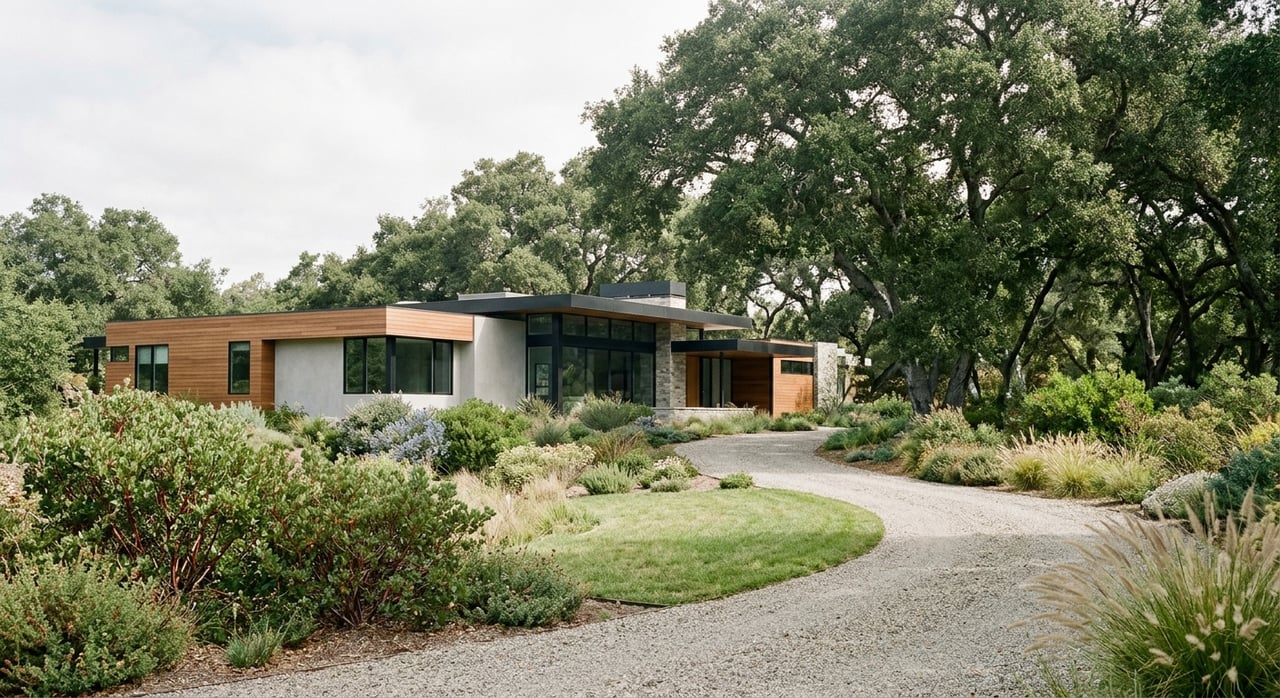
Owning a small acreage property around Newcastle often means you are buying more than a house. You may be buying flexibility, privacy, storage options, and the ability to use your land in ways that are harder to find in denser neighborhoods.
Depending on the parcel, that could include space for:
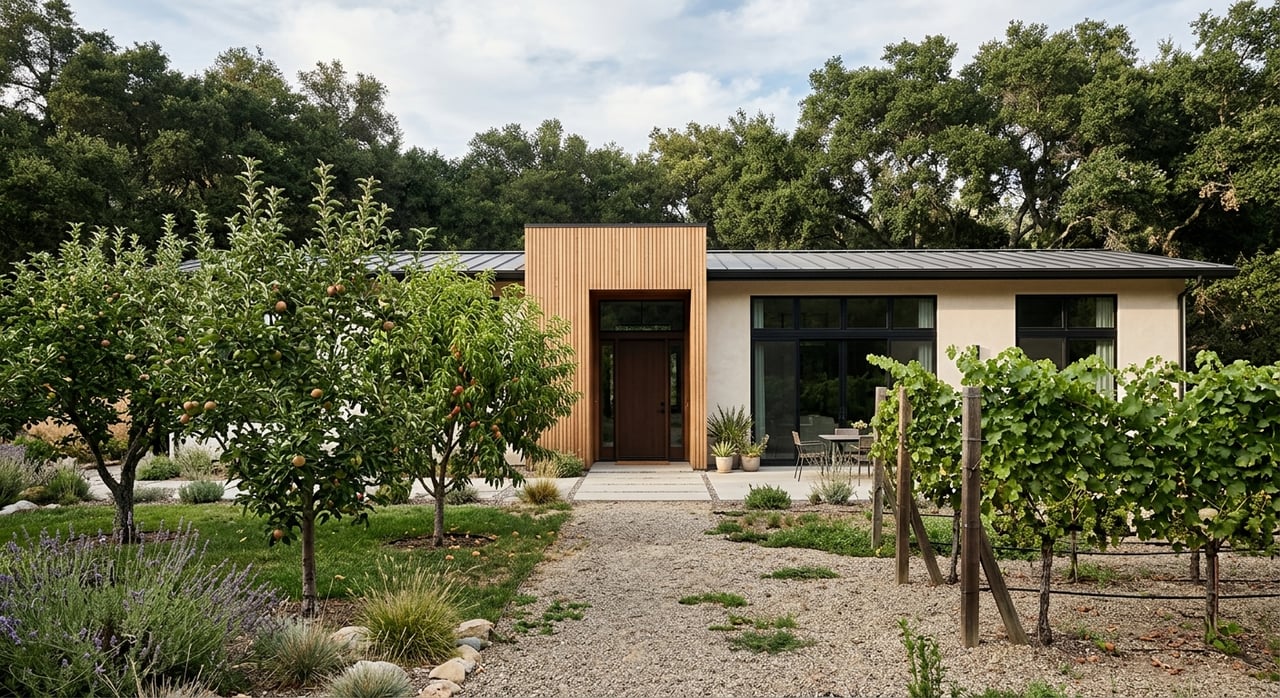
- A backyard orchard
- Raised-bed gardens
- Outdoor entertaining areas
- Workshop or storage buildings, subject to permits
- Small-scale agricultural projects
- Extra parking for equipment, trailers, or recreational vehicles
The appeal is simple: you get room to shape the property around your lifestyle. That said, every parcel comes with its own rules, constraints, and infrastructure, so it is smart to evaluate the land as carefully as the home itself.
Gardens and Orchards Fit the Area
If your vision includes fruit trees or a productive garden, Newcastle’s foothill setting supports that lifestyle well. UC Cooperative Extension notes that the Sierra foothills have a strong community of small farmers and ranchers, with many small-scale operations producing tree and vine fruits, nuts, vegetables, and ornamental plants.
That makes the area a natural fit if you want to grow food at home without stepping into full commercial farming. Local agricultural patterns also include cattle, sheep, goats, and poultry, which reflects the mixed-use rural tradition found throughout the foothills.
For many buyers, citrus is especially appealing. UC Master Gardeners identify mandarins as the signature fruit of the Sierra Nevada foothills and note that warm days and cool nights during the growing season create strong conditions for quality fruit.
Placer County citrus has been farmed for 125 years, but successful planting still depends on the details of the site. Microclimate, wind protection, and cold-air drainage on slopes can all affect how well an orchard performs, so one side of a property may function very differently than another.
Land Use and Permits Matter More Than Many Buyers Expect
One of the biggest surprises with small acreage is that your future plans may involve more county review than you expect. In Newcastle, a property may be subject not only to the county general plan, but also to community-plan land-use regulations and policies if it sits within a community-plan area.
That matters if you hope to add a shop, expand the home, build an outbuilding, rework access, or make other site changes later. What looks simple in a showing can become a planning and permitting question once you start designing improvements.
Before you close, it helps to ask practical questions such as:
- What is the parcel zoning?
- Is the property within a community-plan area?
- Are there minimum lot-size or setback rules that affect future improvements?
- Have past additions or structures been permitted?
- Could planned site changes trigger additional reviews?
This is where thoughtful due diligence can save time, money, and frustration.
Water, Sewer, Wells, and Septic Are Parcel-Specific
Utility setup is one of the most important parts of buying acreage around Newcastle. Two homes that look similar on paper may operate very differently depending on whether they are tied into public systems or rely on private infrastructure.
Placer County Water Agency provides treated water to residential, commercial, and agricultural customers in communities from Alta to Rocklin and Roseville. PCWA also operates a raw-water system commonly used by farmers, ranchers, and some homeowners for landscape irrigation, which can be especially relevant if you plan to irrigate gardens or orchard areas.
South Placer Municipal Utility District provides sewer collection and maintenance service to Newcastle. Current PCWA and SPMUD work on Old State Highway and Buena Vista Avenue is replacing aging water and sewer infrastructure, adding fire hydrants, and improving reliability in the Newcastle area.
If a property does not have access to public drinking water, Placer County says a domestic or irrigation well must be drilled on the property. Well permits are regulated by the county, and applications may only be made by a licensed well driller. The county also requires supporting documents such as site plans and assessor parcel information, and well sampling may be required.
Wastewater needs just as much attention. Placer County Environmental Health regulates septic systems through permits and site evaluations, and these systems are tied to state onsite wastewater policy through the county’s local program.
For buyers, the key takeaway is that future improvements can affect the septic system. The county warns that adding a bedroom, guest house, second dwelling, pool, pond, second driveway, or outbuilding can trigger septic modifications or setback issues. In other words, your long-term plans should be part of your pre-purchase review.
Wildfire Planning Should Start Early
Wildfire readiness is part of owning land in many foothill locations, and Newcastle is no exception. Placer County’s updated fire hazard maps for unincorporated areas use moderate, high, and very high designations, and sellers must disclose fire hazard severity zone classifications during real estate transactions.
If a property is in a very high zone, homeowners face stricter defensible-space and home-hardening requirements. New construction and renovations in designated zones must also follow wildland-urban interface building codes.
CAL FIRE states that the first five feet around the home, often called Zone 0, is the most important area to manage. CAL FIRE also says 100 feet of defensible space is required by law under PRC 4291.
For you, that means acreage ownership is not just about enjoying open land. It also means planning for vegetation management, safer materials, and regular maintenance that helps reduce ignition risk.
Insurance Deserves Attention Before Escrow Gets Far
Insurance can be one of the most important moving parts in an acreage purchase. The California Department of Insurance advises homeowners to shop and compare policies first, and to consider the FAIR Plan only if standard market coverage is not available.
The FAIR Plan is described by the state as the insurer of last resort, not the first option. CDI also notes that policyholders may receive a wildfire-premium discount for hardening their properties.
The practical lesson is simple: do not wait until the last minute to explore coverage. Early research into the parcel’s fire designation, mitigation expectations, and current insurance options can help you avoid surprises during the transaction.
A Smart Buying Checklist for Newcastle Acreage
If you are seriously considering a small acreage property around Newcastle, focus on the land and infrastructure with the same care you give the home itself.
Use this checklist as a starting point:
- Confirm zoning and whether the parcel falls within a community-plan area
- Review current and future allowed uses with the county
- Verify water source, whether public water, well, or irrigation setup
- Confirm sewer or septic service and ask about system capacity
- Review any known permit history for additions or outbuildings
- Check fire hazard severity zone status
- Understand defensible-space and home-hardening expectations
- Explore insurance availability early
- Evaluate topography, drainage, and orchard or garden microclimates
- Ask how future plans could affect permitting, setbacks, or septic requirements
Why Guidance Matters With Acreage Properties
Small acreage properties can be incredibly rewarding, but they also tend to involve more moving parts than a typical suburban purchase. Utility questions, land-use rules, fire requirements, and future improvement plans can all shape the value and usability of the property.
That is why local guidance matters. When you work with a team that understands Placer County market dynamics, property research, and the details that can affect both daily ownership and resale value, you can move forward with more clarity and confidence.
Whether you are looking for a foothill retreat, a citrus-ready homesite, or a property with room to grow into your next chapter, the right strategy starts with asking better questions early. If you are exploring acreage opportunities around Newcastle or preparing to position a unique property for the market, The Eklund Real Estate Group can help you navigate the details with a tailored, high-touch approach.
FAQs
What makes small acreage property around Newcastle different from a typical suburban home?
- Small acreage property around Newcastle often involves parcel-specific factors like zoning, community-plan rules, water source, septic or sewer setup, fire-zone designation, and future land-use flexibility.
Can you grow citrus on small acreage in Newcastle?
- Yes, the Sierra Nevada foothills are known for citrus, especially mandarins, but success depends on parcel conditions like microclimate, slope, wind protection, and cold-air drainage.
How do water and sewer service work for Newcastle acreage properties?
- Service varies by parcel. Some properties may have public water or sewer connections, while others may depend on wells, irrigation systems, or septic systems that need separate review.
Why should buyers check septic rules before buying acreage near Newcastle?
- Placer County notes that changes like adding a bedroom, guest house, second dwelling, pool, pond, driveway, or outbuilding can trigger septic modifications or setback requirements.
How important is wildfire review for Newcastle acreage homes?
- It is very important because Placer County uses fire hazard severity zone designations in unincorporated areas, sellers must disclose those designations, and homes in higher-risk areas may face stricter defensible-space and home-hardening requirements.
When should you shop for insurance on a small acreage property around Newcastle?
- You should start early in the process so you can compare standard-market options, understand wildfire-related requirements, and avoid delays later in the transaction.