If you love the idea of sipping coffee near a 19th‑century courthouse one day and watching a sunset over oak‑studded hills the next, Auburn might be your place. You want character, outdoor access, and a home that fits your budget and lifestyle. In this guide, you’ll get a clear view of what it feels like to live in Auburn’s historic core and its surrounding hillside neighborhoods, plus practical tips to buy with confidence. Let’s dive in.
Auburn at a glance
Set in the Sierra Nevada foothills along the I‑80 corridor between Sacramento and Reno, Auburn is the county seat of Placer County with a small‑town footprint and big outdoor access. Its climate is hot‑summer Mediterranean, which means cool, wet winters and hot, dry summers shaped by oak woodlands and nearby wineries. For a quick overview of location, scale, and climate, see the city’s profile on Auburn, California.
Old Town and Downtown living
What it feels like
Old Town and Downtown are compact and walkable with classic storefronts, brick and wood facades, and a Gold Rush vibe that feels authentic rather than staged. You’ll find galleries, small museums, and independent shops set around the landmark courthouse. The district is formally recognized on the National Register as the Old Auburn Historic District, which helps preserve its character.
Architecture and daily life
Expect 19th‑ and early 20th‑century buildings, some with apartments above shops, along with a few single‑family homes on smaller lots nearby. Many homes feature tall ceilings, detailed millwork, and cozy porches. The tradeoff is that older systems like electrical, insulation, and HVAC may need updates over time.
Preservation, design review, and permits
Because the historic core is protected by local design‑review rules, exterior changes and some additions may require review. If you value authenticity and walkability, this is a fair trade. If you plan to renovate, review the city’s historic resources and design guidance in the Auburn 2045 Arts & Culture materials before you set your timeline or budget.
Hillside neighborhoods
Character and views
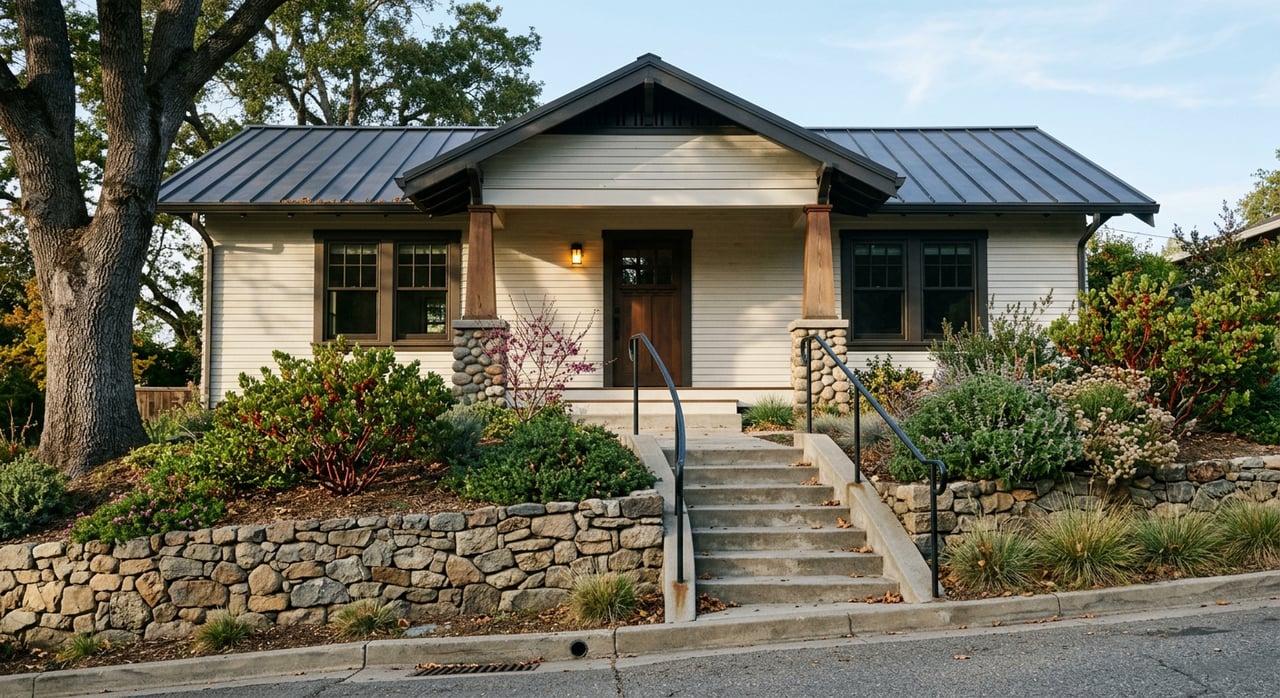
The hills above and around Old Town offer a mix of mid‑century ranch homes, custom builds from the 1970s through the 1990s, and newer hillside construction. Streets wind with the terrain, lots can be larger and steeper, and many homes capture panoramic canyon or valley views. You’ll enjoy more privacy and a closer connection to the foothill landscape.
Construction and maintenance
Hillside living usually means longer driveways, retaining walls, and careful attention to drainage and erosion control. If a property sits on a slope, ask for the geotechnical history and review grading and permit records. A good inspection plan can save you from surprises and help you budget smartly for maintenance.
Wildfire and insurance
Much of the Auburn area sits in or near Moderate to Very High Fire Hazard Severity Zones. That reality shapes landscaping choices, construction details, and insurance availability. Before you write an offer, check official maps and local guidance on Placer County’s Fire Hazard Severity Zones and confirm current defensible space requirements for your address.
Everyday life and outdoor access
Markets, museums, and community rhythm
Saturday mornings often start at the year‑round farmers market in the Old Town courthouse lot. It’s a simple way to plug into the small‑town, farm‑to‑table vibe and meet local growers. See dates and details at the Old Town Auburn farmers market. Cultural anchors like the Placer County Museum and Bernhard Museum Complex add a living‑history feel to weekends; both are noted in the city’s Auburn 2045 Arts & Culture resources.
Trails, rivers, and recreation
Auburn State Recreation Area is a major reason people move here. The network of river canyons, trailheads, and loops connects directly to everyday life, from quick evening hikes to big weekend adventures. Explore official maps and access points through Auburn State Recreation Area. Nearby favorites like Hidden Falls and the Foresthill Divide are highlighted on Visit Placer’s trails page.
Endurance culture you can feel
Auburn is the finish for world‑class events like the Western States Endurance Run and the Tevis Cup, one of the most storied equestrian rides in the world. Even if you never pin on a bib, the volunteer spirit and visitor energy shape the local calendar and restaurant scene. Learn more about the equestrian tradition at the Tevis Cup site.
Commuting and connectivity
Auburn sits on I‑80 for straightforward regional driving, and it is the eastern terminus of Amtrak California’s Capitol Corridor, which some residents use for Sacramento‑area trips. See a general overview of transportation context under Auburn, California.
What homes cost now
City‑level snapshots in early 2026 show Auburn’s median home figures in the mid‑$600,000s. Neighborhood, lot size, view, and condition can push values up or down. In general, Old Town buyers often pay a premium for walkability and historic charm, while hillside homes with privacy and views vary widely based on slope, age, and custom finishes. If you want the latest numbers by neighborhood and property type, we can prepare an updated, on‑market analysis before you tour.
Buyer checklist for historic and hillside homes
Use this quick checklist to focus your search and protect your budget:
- Wildfire and insurance. Check your address against official hazard maps and confirm defensible space and hardening requirements. Start insurance conversations early using Placer County’s FHSZ guidance.
- Historic‑district rules. If you are eyeing Old Town or Downtown, review city design‑review procedures in the Auburn 2045 Arts & Culture materials before planning exterior changes.
- Slope and site history. For hillside lots, request geotechnical reports and grading permits, especially where retaining walls or past slope work are visible.
- Drainage and erosion. Confirm down‑slope drainage paths, roof runoff controls, and hardscape grading so heavy winter rains do not cause problems.
- Utilities and internet. Verify whether the property is on municipal water and sewer or well and septic. Check internet providers and cell coverage if the home is more remote.
- Access and driveway. Measure grades, turning radii, and winter access. Delivery and service vehicles may have limits on steeper sites.
- Systems and updates. In older homes, evaluate electrical capacity, insulation, HVAC performance, and window condition. Budget for modernization that fits the home’s character.
- Insurance quotes and lending. Premiums can vary by location and building features. Get quotes early and confirm your lender’s requirements for property condition.
- Commuting pattern. Test your route on I‑80 and note event weekends that add local traffic.
Which neighborhood fits you?
- Choose Old Town or Downtown if you want a walkable, historic setting with independent shops, galleries, and regular community events. You will likely trade lot size for charm and convenience.
- Choose the hills if privacy, views, and a stronger indoor‑outdoor lifestyle are top priorities. You will plan more for site maintenance and fire readiness but enjoy space and scenery.
If you are weighing a same‑time buy and sell, or you need a financing plan that fits a unique property, you will benefit from a tailored strategy. With financial fluency and a boutique, concierge approach, we help you compare tradeoffs, structure smart offers, and prepare market‑ready listings that stand out.
Ready to explore Auburn?
Whether you want Gold Rush character or hillside sunsets, you deserve clear guidance and polished execution. If you are ready to tour historic gems, evaluate a view home, or time a buy‑sell move, reach out to The Eklund Real Estate Group for a local plan and a data‑driven path to your next address.
FAQs
What is it like to live in Old Town Auburn?
- Expect a compact, walkable district with preserved Gold Rush‑era buildings, small museums, and independent shops, anchored by the recognized Old Auburn Historic District.
What should hillside buyers budget for in Auburn?
- Plan for driveway and retaining‑wall upkeep, slope‑aware drainage, periodic brush clearance, and insurance suited to areas designated as fire hazard zones by Placer County.
How does wildfire risk affect home buying in Auburn?
- It can influence insurance availability, premiums, and some construction or landscaping choices. Start insurance quotes early and confirm defensible space rules for your address using official county resources.
Are there special rules for renovating historic homes in Auburn?
- Yes. Properties in Old Town and Downtown may fall under local design review. Check the city’s historic resources guidance in the Auburn 2045 Arts & Culture materials before planning exterior changes.
What outdoor amenities do residents use most?
- Trails and river access in Auburn State Recreation Area are everyday favorites, with nearby options like Hidden Falls and Foresthill Divide listed on Visit Placer’s trails page.
How is the commute from Auburn to Sacramento?
- Many residents drive I‑80, and some use Amtrak California’s Capitol Corridor for regional trips. See a general overview under Auburn, California and test your route during typical commute times.