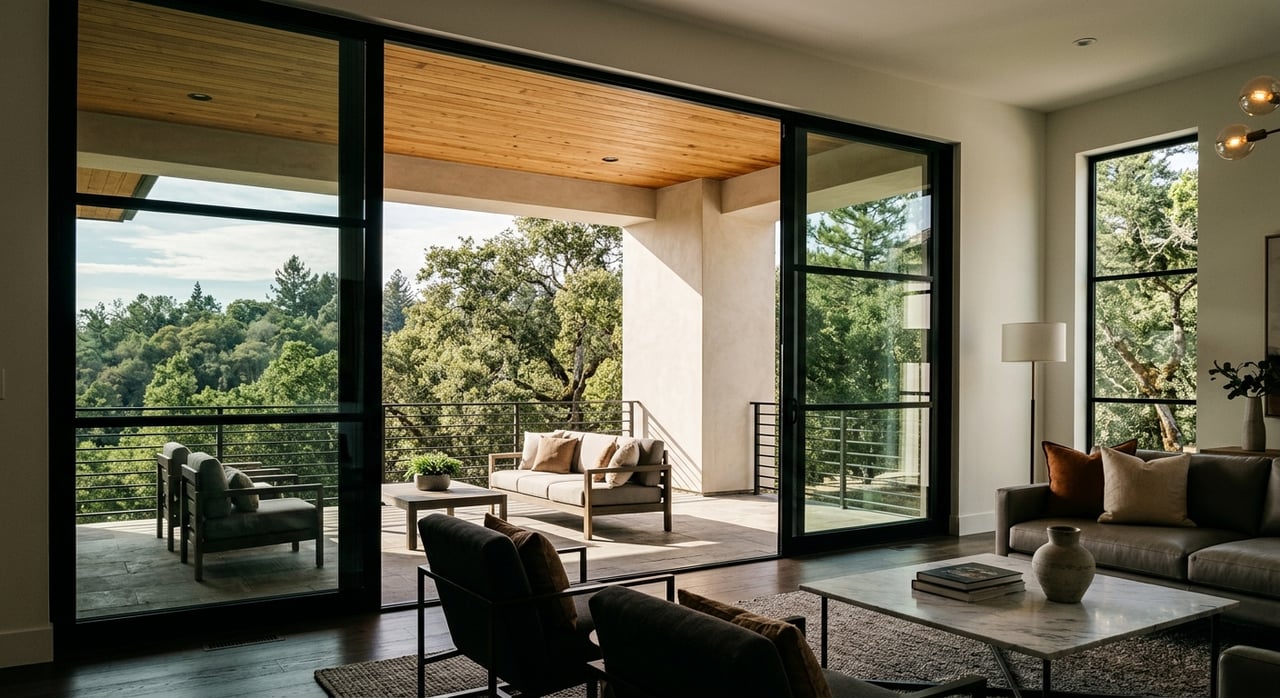
If you are selling a hillside or view home in Auburn, you are not selling just square footage. You are selling a daily experience that might include canyon vistas, Sierra views, wooded privacy, and outdoor spaces that feel tied to the foothill landscape. The challenge is that buyers also look more closely at access, slope, wildfire readiness, and maintenance, so your marketing has to tell the full story. Here is how to position an Auburn hillside or view property so buyers understand its value and feel confident making an offer.
Why Auburn view homes stand apart
Auburn is shaped by foothills, ravines, streams, and the American River Canyon. The city’s setting is a major reason view properties attract attention, especially when they connect indoor living with wide outdoor scenery.
That setting also changes how buyers compare homes. A property on a flatter lot in a more typical subdivision is judged differently than a home with elevation, layered views, a long driveway, or terraced outdoor living. In Auburn, the land itself is part of the product.
Price the specific view, not the ZIP code
Recent market snapshots put Auburn generally in the mid-$600,000s to about $700,000, with homes going under contract in about two weeks. That is useful as a baseline, but it should not be the main pricing method for a distinctive hillside or view property.
The better approach is to compare your home to true peers with similar elevation, privacy, access, and view quality. A canyon-facing deck, a broad Sierra-facing panorama, or a more limited partial view can each produce very different buyer reactions and pricing outcomes.
View quality changes value
Published research shows that views do not create one standard premium. Value depends on what the buyer actually sees and how that view fits into the way the home lives.
For sellers, that means your pricing story should answer practical questions like:
- Is the view full, partial, or obstructed?
- Is it wide and layered, or narrow and distant?
- Does the best view show up from the great room, kitchen, or primary suite?
- Is the view tied to a usable deck, patio, or yard?
- Does the property offer meaningful privacy around the view?
A buyer will pay for a specific visual experience, not just for the words “view home” in the listing.
Show the view where buyers live
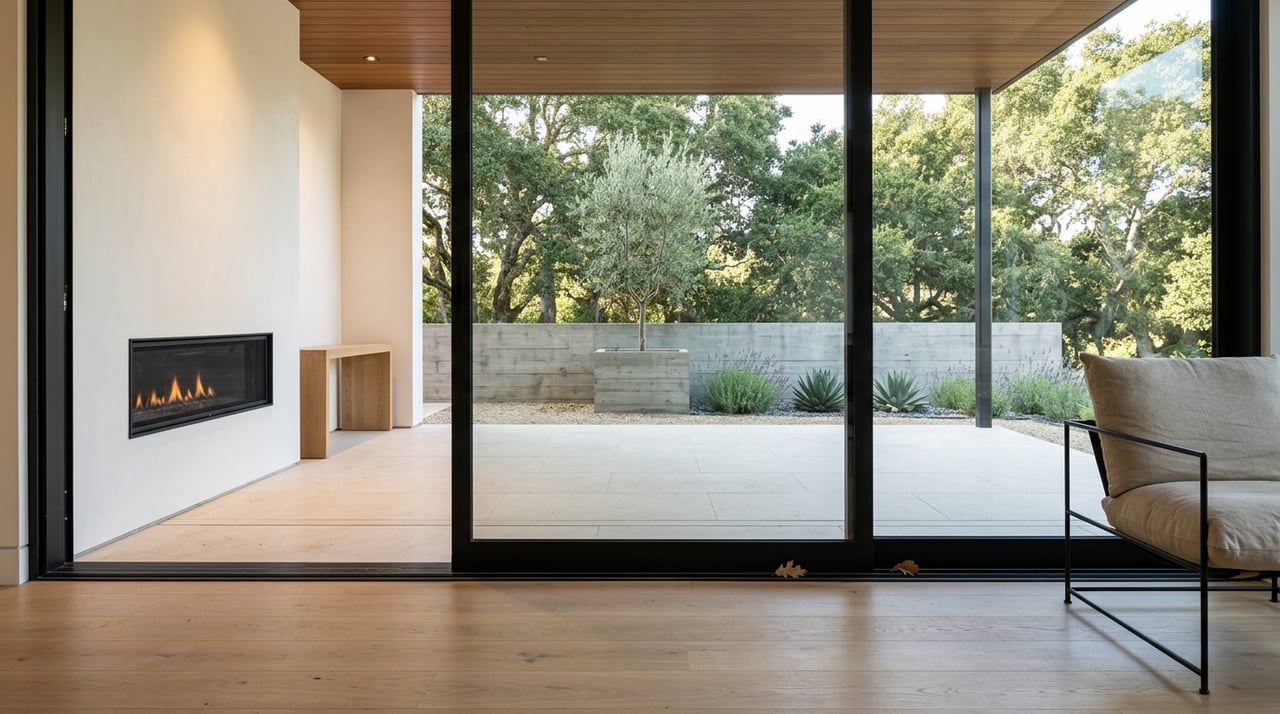
A strong marketing package should make it easy for buyers to picture themselves in the spaces that matter most. For a hillside home, that usually means showing the view from the great room, kitchen, primary bedroom, deck, patio, pool area, and yard.
This sounds simple, but it is often where sellers leave money on the table. If buyers cannot tell whether the view is visible from daily living spaces, they may assume the premium is limited.
Use clear view language
The listing description should be precise. Instead of relying on vague phrases, your marketing should describe whether the view is full, partial, broad, layered, or protected.
That clarity matters because buyers interpret “view” differently. One buyer may picture a dramatic canyon panorama, while another may arrive and find a glimpse through trees. Clear language helps set expectations and supports stronger pricing.
Highlight outdoor living as a real feature
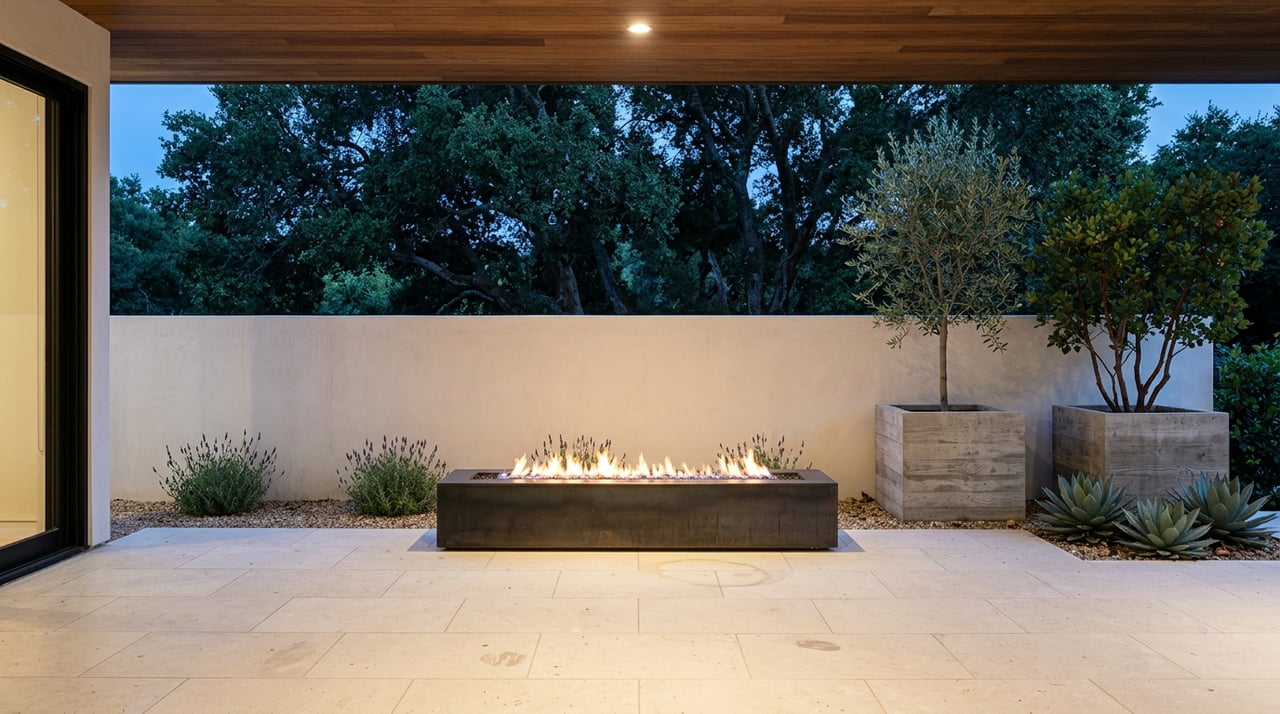
In Auburn, outdoor space is often part of the reason a buyer wants the home in the first place. Covered decks, fire pits, terraces, retaining walls, privacy screening, and low-maintenance landscaping should be presented as functional living features.
That same logic applies to the practical side of the property. Driveway layout, guest parking, entry access, and how easily you move between the house and outdoor areas can shape how buyers feel about the home during a showing.
Prepare for buyer questions before listing
Hillside properties tend to invite more detailed questions. When you prepare early, you reduce uncertainty and make it easier for buyers to see the home as a well-managed opportunity rather than a risk.
In Auburn and Placer County, that preparation often starts with wildfire readiness, drainage, grading, and retaining-wall review.
Wildfire readiness matters in Auburn
Placer County emphasizes that defensible space and home hardening work together. The county says 100 feet of defensible space is the best way to protect a home from wildfire, and it advises removing tall grasses and dead or dying trees.
Home hardening is also a major part of the conversation. Key exterior components include the roof, vents, eaves, windows, decks, and gutters. If your property has already been improved in these areas, that should be part of the listing package and showing conversation.
Review grading and drainage issues early
Before your home goes active, it is smart to review the property for grading, drainage, and retaining-wall concerns. Buyers tend to notice signs of runoff, erosion, or deferred hillside maintenance quickly, especially on sloped lots.
Placer County notes that grading permits may be required for certain larger cuts or fills, larger excavation amounts, grading near drainage features or wetlands, and structural retaining walls over 4 feet tall. Work within a county-maintained road easement or right-of-way, including residential driveways, can also require an encroachment permit.
If you have completed past improvements, organized records can help your agent explain the property with confidence.
Handle hazard disclosures early
California disclosure requirements are especially important for hillside and foothill properties. Sellers must disclose if a property is in certain mapped natural hazard areas, including very high fire hazard severity zones, wildland or state responsibility areas, earthquake fault zones, and seismic hazard zones.
For Auburn-area homes, parcel-specific hazard verification should happen early in the process. That gives you time to clarify the property’s status and prepare accurate documentation before the listing goes live.
Build a listing package that supports the premium
A distinctive property needs more than attractive photos. It needs a marketing package that explains why this home is different from a standard Auburn listing.
That package should combine visuals, documentation, and a comp story that separates view value from ordinary square footage. When buyers understand what makes the property special, they are more likely to accept premium pricing.
What a strong hillside listing package should include
For many Auburn hillside and view homes, the most effective package includes:
- Professional photography that captures the view from key interior and exterior spaces
- Marketing copy that clearly defines the type and quality of the view
- Photos and descriptions of decks, patios, terraces, and other usable outdoor areas
- Notes on access, parking, and driveway functionality
- Documentation related to wildfire mitigation or home-hardening improvements
- Relevant records for grading, retaining walls, drainage, or other site work when available
- A pricing narrative based on true hillside and view comparables
This is where premium seller marketing can make a measurable difference. The goal is not just exposure. The goal is helping buyers understand why your property deserves attention and how it fits the Auburn market.
Position the lifestyle, not just the house
Auburn’s foothill setting adds context that supports view-home demand. The area is known for scenic canyon and open-space experiences, and that backdrop helps buyers connect a home’s terraces, decks, and view corridors to everyday living.
The key is to present that lifestyle in a grounded, credible way. You are not overselling the scenery. You are showing how the home interacts with the landscape and why that interaction is valuable.
When buyers can picture morning coffee on the deck, evening light over the canyon, and a property that has been thoughtfully prepared for foothill living, the home becomes easier to value and easier to trust.
Why strategy matters more here
A hillside or view home can attract strong interest, but only if the pricing and presentation are aligned. If the home is priced like a generic suburban property, you risk leaving value behind. If it is marketed with broad claims and weak documentation, you risk hesitation and longer negotiations.
The best results usually come from a strategy that combines local market knowledge, careful prep, and polished presentation. In a market like Auburn, that is often what turns a beautiful setting into a successful sale.
If you are thinking about selling a hillside or view home in Auburn, The Eklund Real Estate Group can help you build a pricing and marketing plan that reflects the property’s true strengths.
FAQs
How should you price a hillside or view home in Auburn?
- You should compare it to similar Auburn properties with matching view quality, privacy, access, and outdoor usability rather than relying only on citywide median prices.
What should you highlight when marketing an Auburn view property?
- You should show the view from the main living areas and describe whether it is full, partial, broad, layered, or obstructed, while also featuring decks, patios, terraces, parking, and access.
Why do buyers ask more questions about Auburn hillside homes?
- Buyers often look more closely at slope, driveway access, drainage, retaining walls, wildfire exposure, and maintenance because those factors can affect daily use and long-term upkeep.
What wildfire features matter when selling a home in Placer County?
- Defensible space and home hardening are central, with attention commonly focused on the roof, vents, eaves, windows, decks, gutters, and removal of tall grasses or dead vegetation.
What disclosures matter for an Auburn hillside property?
- Sellers may need to disclose whether the property is in mapped natural hazard areas such as very high fire hazard severity zones, wildland or state responsibility areas, earthquake fault zones, or seismic hazard zones.
What makes a strong listing package for an Auburn hillside home?
- A strong package usually includes professional photography, precise view descriptions, outdoor-living highlights, permit or improvement documentation when available, and a pricing narrative built around true hillside and view comps.