Thinking about leaving the Bay Area, but not ready to give up convenience, amenities, or access to job centers? Roseville is one of the places many buyers look at first, and for good reason. If you are considering a move, this guide will help you understand what life and home shopping in Roseville can look like, what often surprises Bay Area buyers, and how to make a smarter relocation plan. Let’s dive in.
Why Roseville Draws Bay Area Buyers
Roseville is the largest city in Placer County and part of the Sacramento region. According to the City of Roseville demographics page, the city is about 102 miles northeast of San Francisco, 16 miles north of Sacramento, and located along Interstate 80. That location gives you a different pace than many Bay Area markets while still keeping regional access in play.
Roseville also functions as more than a simple bedroom community. The city reports roughly 158,304 residents, about 90,200 jobs, and 44.14 square miles, which helps explain why many buyers see it as a place where you can live, work, shop, and spend free time without needing to leave town for everything. For many relocating households, that built-in convenience is a major part of the appeal.
Another draw is lifestyle infrastructure. The city highlights a Mediterranean climate with warm, dry summers and cooler, wetter winters, along with more than 80 parks and more than 40 miles of paved off-street trails on its community overview page. If you are looking for a market with established services and outdoor access, Roseville checks a lot of boxes.
How Roseville Compares on Home Prices
For many Bay Area buyers, the biggest early question is simple: what do you get for your money? Current market data in the research shows Roseville home prices in the mid-$600,000s, though the exact figure depends on the source and methodology. Redfin’s Roseville housing market page reported a February 2026 median sale price of $625,836 and median days on market of 31.
The same research notes that Zillow reported a February 2026 median sale price of $618,167, a March 31, 2026 median list price of $641,233, and an average home value of $644,324. By comparison, Zillow’s broader San Francisco-Oakland-Hayward market page placed the metro’s typical home value at $1,142,086 and median sale price at $1,003,583. That suggests Roseville’s typical home values are materially lower than the broader Bay Area metro, even though the exact gap changes depending on which metric you use.
The practical takeaway is not that Roseville is cheap. It is that your budget may stretch differently here. Many Bay Area buyers find that Roseville opens up options such as newer construction, different lot sizes, and a wider range of home types than they are used to seeing in coastal submarkets.
What Housing Options Look Like
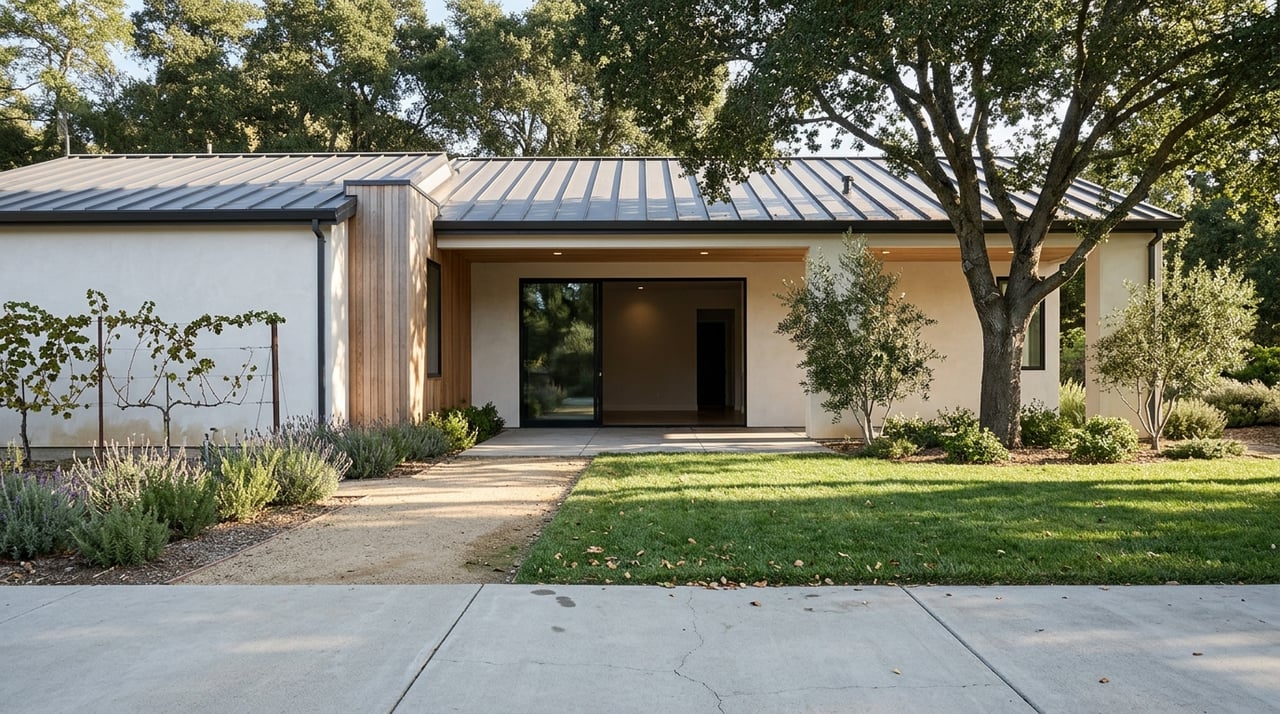
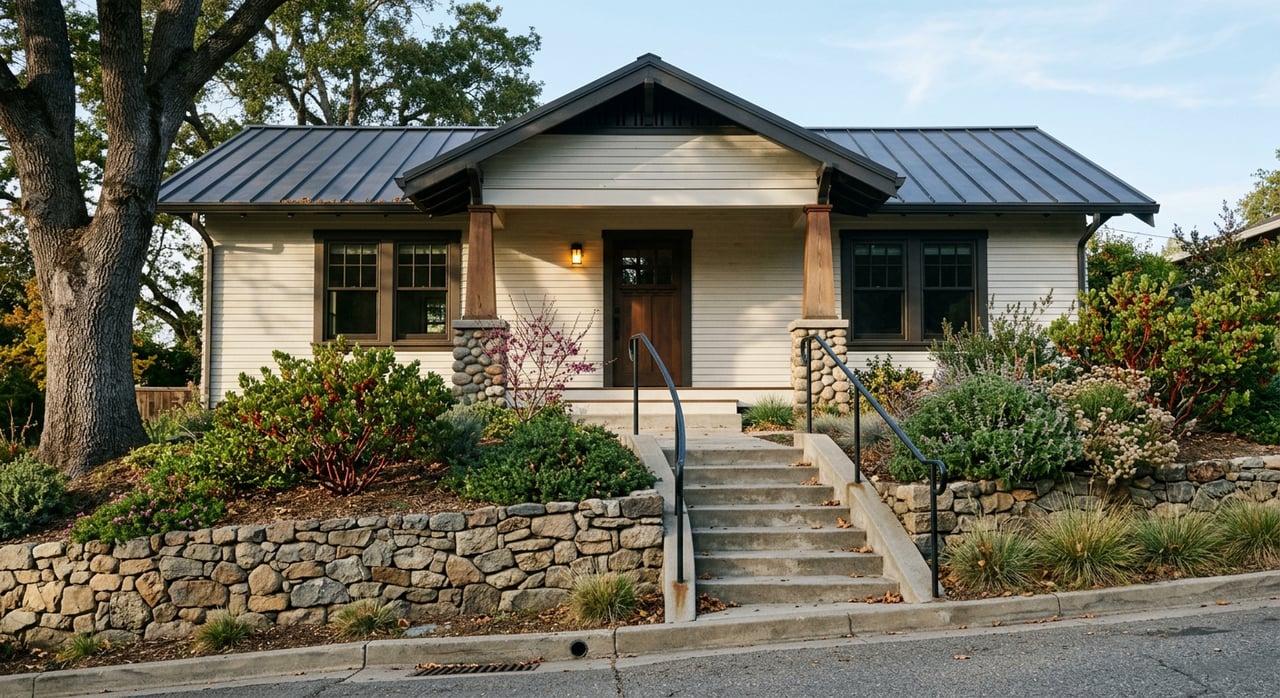
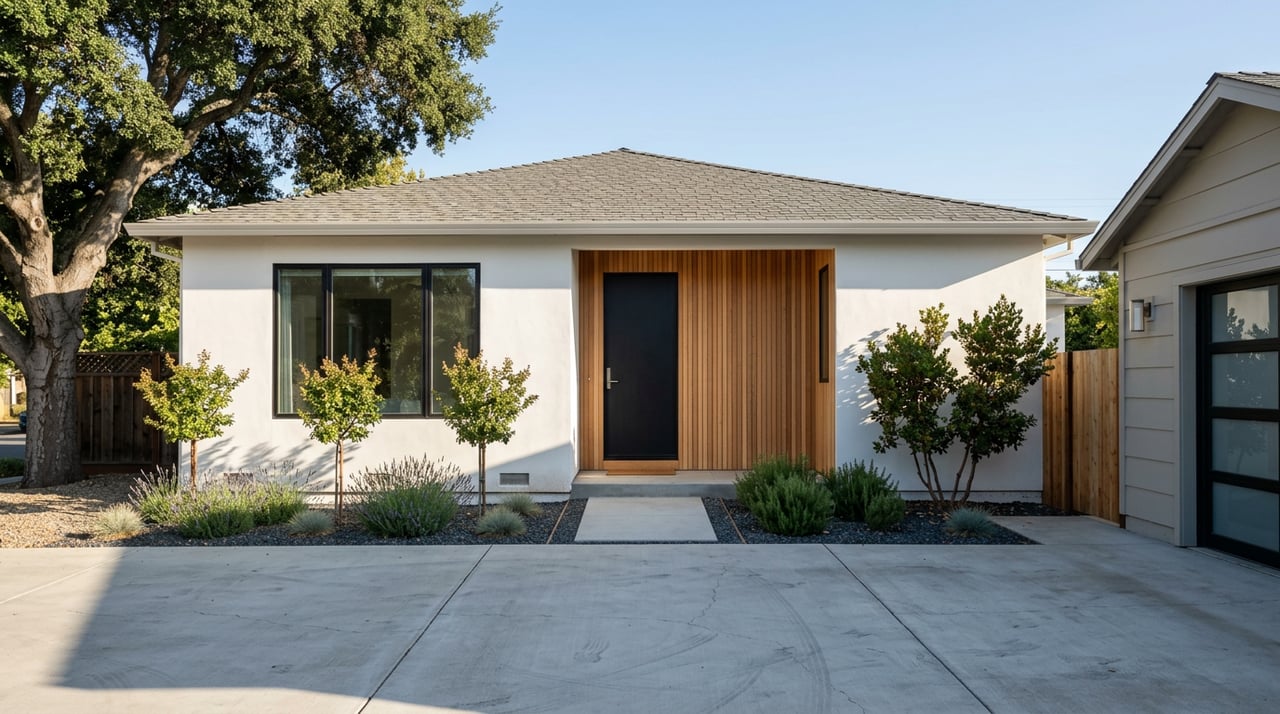
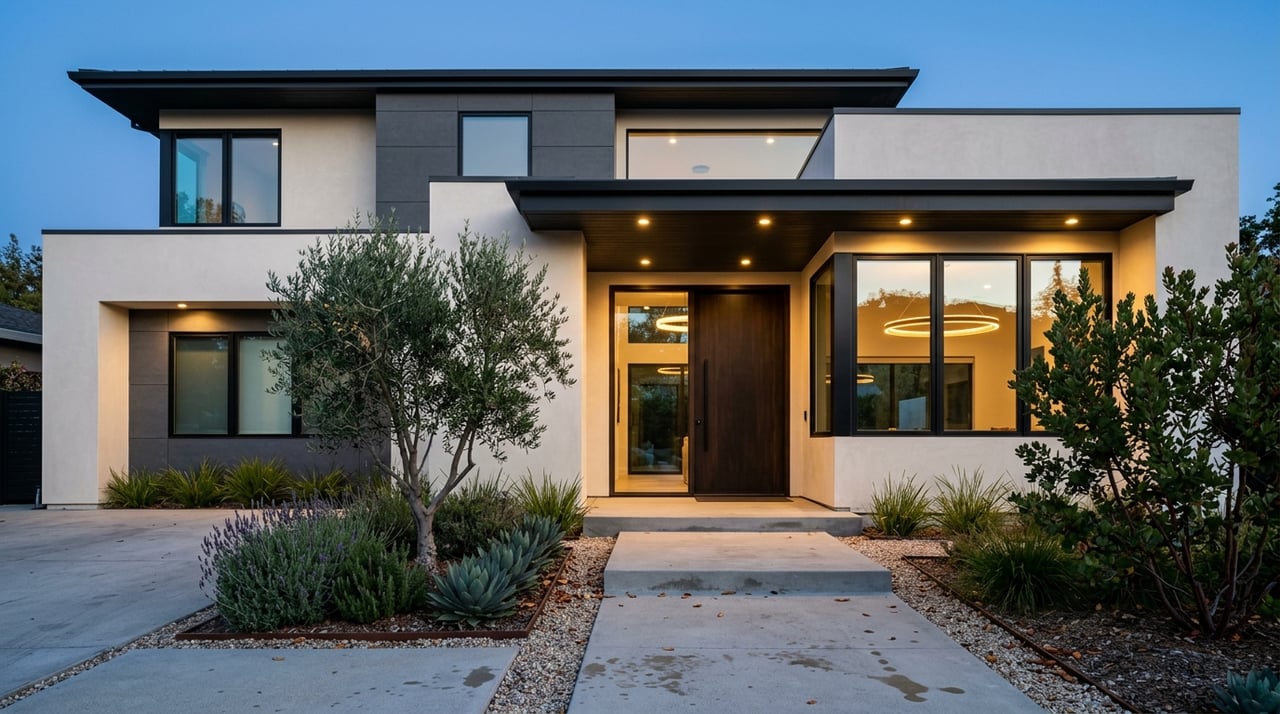
One reason Roseville appeals to relocators is variety. The city says housing options range from workforce to executive homes, with neighborhoods spanning historic areas to new construction on its quality of life page. That means your search can look very different depending on the type of lifestyle and home style you want.
Roseville’s growth has been shaped by multiple specific-plan areas, and that structure matters when you are shortlisting neighborhoods. The city lists areas such as Downtown, West Roseville, Creekview, Sierra Vista, Del Webb, and North Roseville within its specific plans and planning areas resources. Instead of treating Roseville as one uniform market, it helps to think of it as a collection of distinct areas with different housing mixes, development timelines, and amenity patterns.
For example, the research notes that the Creekview plan can include apartments, condominiums, townhouses, and single-family detached homes. The Del Webb plan is an age-restricted active-adult community focused primarily on single-family homes around recreation facilities. West Roseville’s plan includes 8,792 single- and multi-family units, including about 704 age-restricted units.
Why Micro-Location Matters in Roseville
This is one of the most important things Bay Area buyers should know before they start touring homes. In Roseville, the same mailing address does not always mean the same jurisdiction, utility setup, or service providers. According to the city’s Know Your Boundaries tool, some homes with a Roseville mailing address are actually outside city limits.
That detail can affect more than your mailing label. The city says the boundary map can show applicable utility, public safety, and school-district information, and it notes that five school districts serve city residents. When you compare homes, it is smart to verify the exact property jurisdiction rather than relying only on the zip code or the word “Roseville” in the address.
For buyers relocating from the Bay Area, this often changes how shortlisting should work. Instead of focusing only on commute distance or a general neighborhood name, compare each property by:
- Exact city limits
- Utility provider
- Public service coverage
- School district assignment
- Age of development
- Housing type
- HOA and amenity profile
That kind of property-level review can help you avoid surprises later in escrow.
Commuting Back to the Bay Area
Some buyers moving to Roseville plan to work locally, while others expect a hybrid schedule with occasional Bay Area trips. Roseville can support the second scenario better than the first if your expectation is not a daily San Francisco commute. The research is clear that Roseville’s distance from San Francisco makes a daily Bay Area commute inherently long.
Local transit still gives you options. The city’s local transportation information says Roseville Transit Local runs fixed routes in the city and connects to Placer County Transit and Sacramento Regional Transit. Weekday service generally runs from about 5:45 a.m. to 10 p.m., Saturdays from 8 a.m. to 5 p.m., with no Sunday local service.
The research also notes that the Capitol Corridor schedule shows Roseville station service on westbound trains with direct rail connections to Sacramento, Davis, Fairfield-Vacaville, Martinez, Richmond/BART, Berkeley, Emeryville, Oakland Jack London, Fremont, Santa Clara, and San Jose. There is also an Emeryville-to-San Francisco bus connection. If you only need Bay Area access from time to time, that can make Roseville a workable home base.
How Buying in Roseville Can Feel Different
If you are coming from the Bay Area, you may assume the purchase process will feel familiar. Some parts will, but some details can be different, especially if you are looking at newer communities or planned developments. The Consumer Financial Protection Bureau home shopping guidance recommends learning your loan options, contacting multiple lenders, getting a preapproval letter, and choosing an agent with strong experience in your preferred neighborhoods, price range, and home type.
That advice matters even more when your search includes both resale homes and new construction. In Roseville, builder deposits and builder-affiliated lenders may come into play in certain communities. Understanding your financing options early can help you compare those opportunities with more confidence.
The CFPB also recommends planning for contingencies such as financing and inspection, and starting to research title and settlement providers once you have a target home in mind. For relocating buyers, good preparation can keep a long-distance transaction from feeling rushed.
Remote Tours Are a Real Tool
If you are still living in the Bay Area, you do not have to wait until every in-person visit is possible before making progress. The research cites the National Association of Realtors consumer guide, which says a buyer is considered to be touring a home when the buyer enters the property or directs an agent to enter it on the buyer’s behalf, including a live virtual tour when the buyer is not physically present.
That matters because remote touring is not just a backup option. It can be a practical part of a serious relocation strategy. Video tours, neighborhood drive videos, and local insight on micro-locations can help you narrow the field before you commit to travel or write an offer.
For many Bay Area buyers, the most efficient process looks like this:
- Get clear on budget and financing.
- Shortlist areas by home type and lifestyle fit.
- Verify each property’s exact jurisdiction and service details.
- Use virtual tours to narrow choices.
- Visit top contenders in person when possible.
- Write with a strategy that fits the specific property and market conditions.
What Bay Area Buyers Should Prioritize First
It is easy to start by asking, “How far is it from my current office?” But in Roseville, a better first question is often, “What kind of day-to-day living experience do I want?” Because the city includes historic areas, newer subdivisions, and multiple planned communities, your best match may come down to housing style, lot configuration, amenities, and development era more than a simple map radius.
As you compare options, focus on the factors that shape everyday use of the home. Think about whether you want newer construction or an established setting, whether community amenities matter to you, and how important it is to have flexibility for hybrid work or occasional regional travel. Those details often create a better long-term fit than chasing only a general neighborhood label.
A Smarter Way to Plan Your Move
A Roseville relocation works best when you treat it as both a lifestyle move and a market move. You are not just comparing prices between the Bay Area and Placer County. You are comparing how you want to live, how often you need regional access, and which type of neighborhood structure fits your goals.
That is where local guidance can make a real difference. With hyper-local knowledge of Placer County neighborhoods, relocation support, and remote-buyer tools, The Eklund Real Estate Group can help you narrow the right areas, evaluate homes at the property level, and make your move with more clarity and less guesswork.
FAQs
What is the current home price range in Roseville for Bay Area buyers?
- Current research places Roseville in the mid-$600,000s, with Redfin reporting a February 2026 median sale price of $625,836 and Zillow reporting a February 2026 median sale price of $618,167.
Is Roseville a realistic place for Bay Area hybrid commuters?
- Roseville can work better for occasional Bay Area trips than for a daily San Francisco commute, since the city is about 102 miles northeast of San Francisco and regional rail connections are available through Capitol Corridor service.
What should relocating buyers verify about a Roseville address?
- Buyers should verify whether the property is actually within Roseville city limits, along with utility provider, public service coverage, and school district details, because some homes with a Roseville mailing address are outside city boundaries.
What kinds of homes can you find in Roseville neighborhoods?
- Roseville includes a wide range of housing, from historic areas to new construction, with options such as apartments, condos, townhomes, single-family detached homes, and age-restricted community housing depending on the planning area.
Can Bay Area buyers use virtual tours when relocating to Roseville?
- Yes. The NAR consumer guide cited in the research confirms that live virtual tours are a legitimate part of the touring process when a buyer is not physically present.
What is the best first step when relocating to Roseville from the Bay Area?
- A strong first step is getting clear on your financing and preapproval, then narrowing your search by home type, neighborhood structure, and exact property location before touring homes in person or remotely.